Home
R Rumrealm

Menthol, peppermint and clove oil: what they do in a massage cream

Three ingredients do most of the work in this cream, and you can feel all three inside the first minute. The rest of the formula carries them, keeps the skin comfortable, and gets out of the way before the session ends.

Here is what each one is doing, how much of it is in the tube, and where people go wrong with it.

The three that do the work

Menthol

0.21% — the cold you notice first

  • It does not lower the temperature of your skin. It acts on the nerve endings that report cold, so the skin sends a cold message without anything actually cooling down.
  • That is why the sensation arrives in seconds and fades on its own, and why it feels different from putting an ice pack on.
  • The percentage is deliberate: enough menthol to register, not enough to sting.
  • If your skin feels sharp rather than cool, you have either used too much or applied it straight after a hot shower.

Menthol is the first thing you feel and the first thing to go. The warmth that follows is camphor, further down this page.
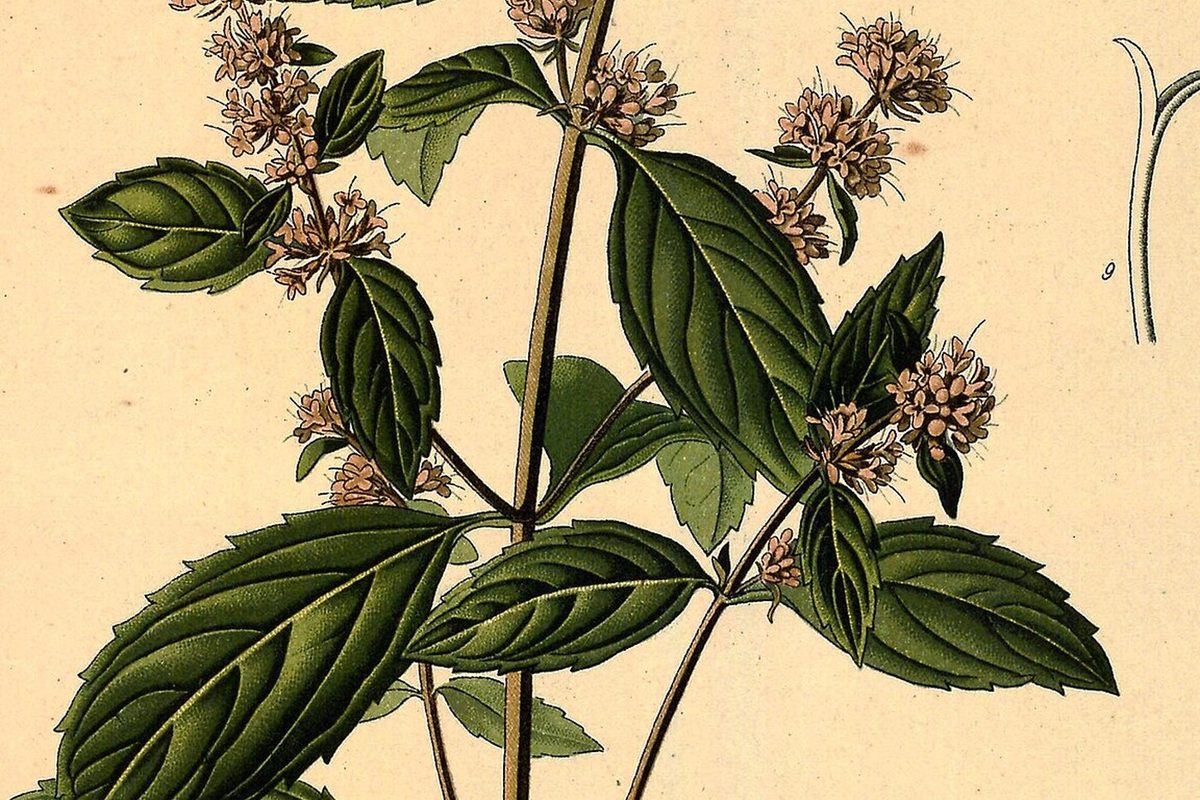
Peppermint botanical illustration, Mentha piperita

Peppermint oil

0.35% — the fresh layer

  • Two jobs: a second source of menthol, and the green, fresh note you smell when you open the tube.
  • It keeps the scent from reading as purely medicinal. Camphor and clove are heavy, warm smells; peppermint lifts them.
  • The scent is gone in about ten minutes, which matters if you are going back to a desk or meeting someone afterwards.
  • On its own, menthol is a blunt instrument. Peppermint makes the chill feel rounder, less like a muscle rub from 1994.

Peppermint fades fastest of the three. Clove is the note that stays on the skin.

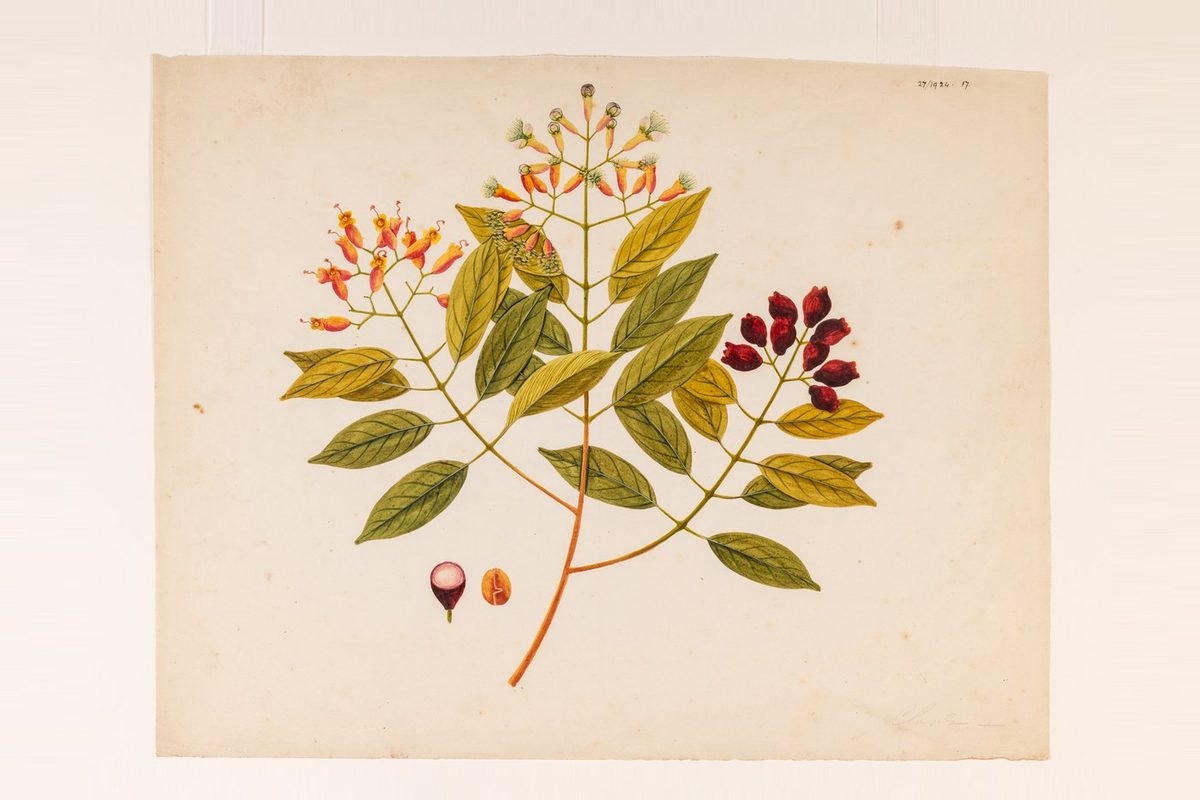
Clove botanical illustration, Syzygium aromaticum

Clove oil

1% — the warm note, and the one to respect

  • It gives the cream its warmth and its staying power, and it is the highest of the three at 1%.
  • Its main compound, eugenol, is a recognised skin sensitiser. That is why the label asks for a 24-hour patch test on the inner forearm before the first full use.
  • It is the ingredient most likely to disagree with reactive skin, and the one to skip if you have ever reacted to clove-based dental products.
  • At 1% it is doing sensory work, not medical work: a warm, spicy character that lasts longer than the peppermint.

If you remember one thing from this page: patch test because of the clove, not because of the menthol.

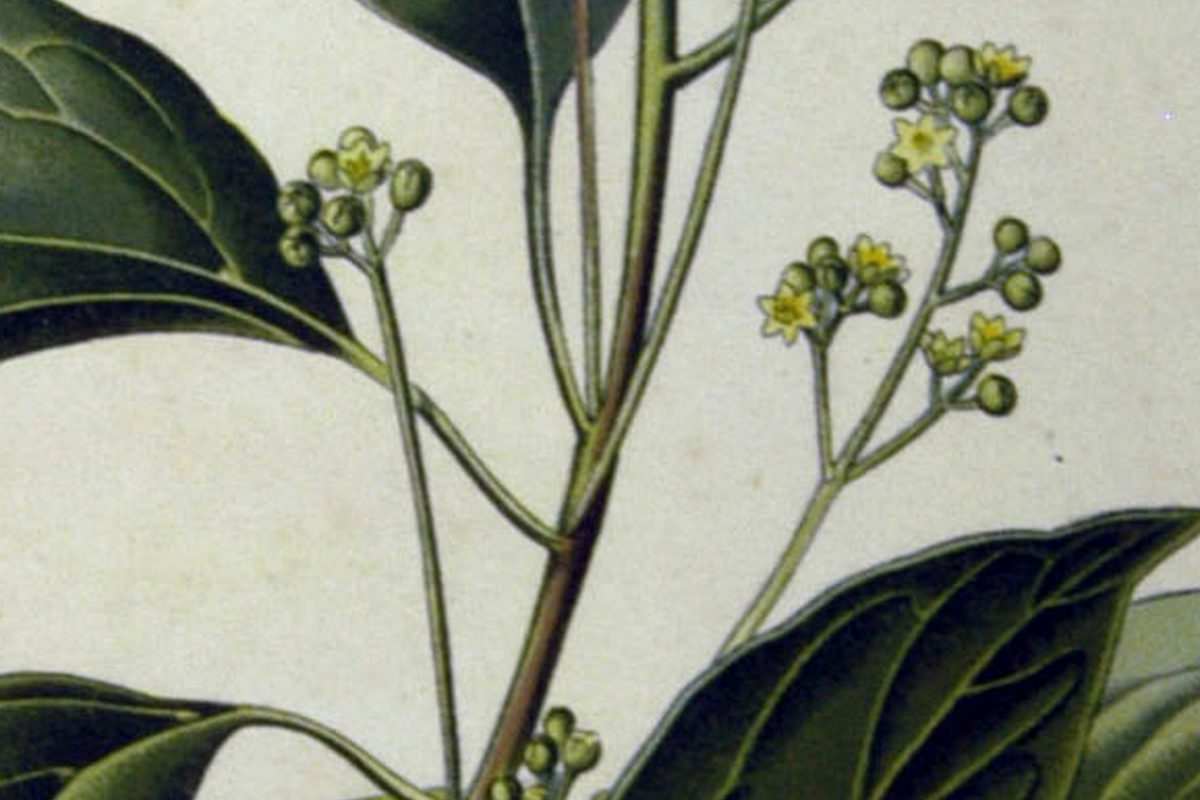
Camphor botanical illustration, Cinnamomum camphora

The warmth behind them

Camphor, from camphor bark oil at 1%, arrives a few minutes after the menthol. It is the other half of the cool-then-warm effect people describe, and the reason the cream feels like it is still working after the chill has gone.

Do not stack heat on top of it. A heat pad, a wrap or a sauna straight afterwards is how skin ends up red and irritated. The cream produces its own warmth; it does not need help.

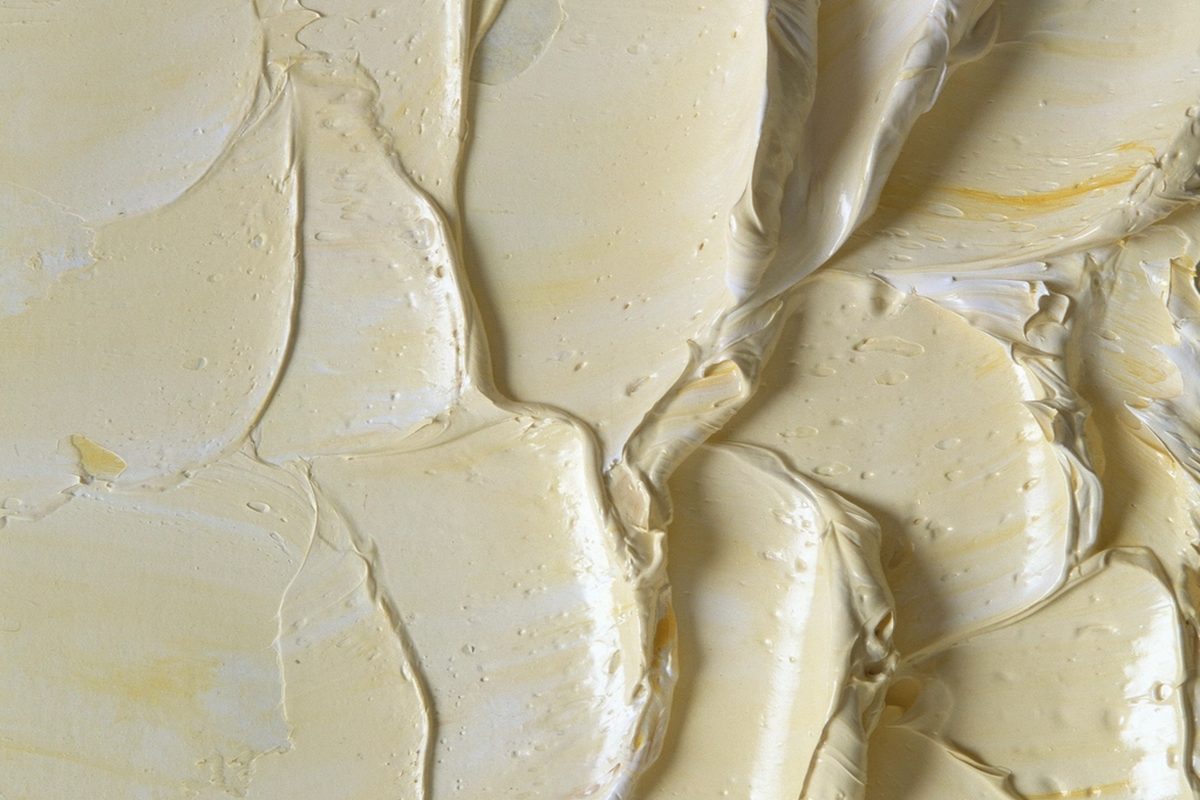
Close-up of a rich massage cream texture

Moisture that stays in the skin

Glycerin is 5% of the formula. It is a humectant, which means it holds water in the upper layer of the skin rather than adding oil on top. That is the difference between skin that feels soft an hour later and skin that feels tight.

Allantoin at 0.42% is a skin conditioner. It is not the ingredient you notice; it is the one that keeps the surface comfortable through a long session.

The finish should feel soft rather than tight, and never slippery.

Why it absorbs instead of sitting on top

A massage cream is judged in the first two minutes: does it glide, and does it disappear.

This one uses squalane at 0.5%, a light emollient that gives your hands slip without leaving a film. There is no mineral oil in the formula, so nothing sits on the surface waiting to be washed off. Cetearyl alcohol and ceteareth-20 hold the cream together, and carbomer thickens it, which is what stops it running down a back mid-session.

Most people find it absorbs within a few minutes. Two thin layers work better than one thick one: the first sinks in, the second gives you the glide.

Five things people get wrong

1. Too much product. Past a point you are sliding on top of the skin instead of working the muscle, and your hands lose their grip.

2. Applying it to wet skin straight out of the shower. It spreads further, but the chill is sharper than it needs to be. Wait five minutes.

3. Adding heat. Camphor already produces warmth. A heat pad or a sauna on top of that is how skin ends up irritated.

4. Skipping the patch test. Clove oil is a sensitiser. Twenty-four hours on the inner forearm costs you nothing.

5. Expecting more than comfort. It is a cosmetic cream for massage. A muscle that is not settling with rest needs a rehab specialist, not more product.

A note on the preservatives

The cream is preserved with phenoxyethanol and sodium methylparaben. Both are listed on the pack. A cream that is mostly water needs preservatives, and this one does not hide them.

How to use it

  1. 1

    Amount

    A walnut-sized amount covers a back. A pea-sized amount covers a shoulder. Start with less than you think; adding is easy, removing cream from a whole back is not.

  2. 2

    Warm it first

    Rub it between your palms. It spreads further and you use less.

  3. 3

    Work along the muscle

    Long strokes in the direction of the fibres, not small circles across them.

  4. 4

    Afterwards

    Wash your hands, and keep it away from your eyes and any broken skin.

Questions people ask

Why does it tingle? The menthol and the peppermint oil are working on cold-sensitive nerve endings. It should fade within a few minutes. If it burns rather than tingles, wash it off.

Does it leave a greasy film? No. There is no mineral oil in it, and the squalane is light enough to absorb. If it feels greasy, you have used more than the skin can take, usually on the back or chest.

How fast does it absorb? A few minutes for a normal amount. A thick layer takes longer, which is why two thin ones are better.

Is it moisturising enough on its own? For most skin, yes. Glycerin holds water and squalane softens the surface. Very dry skin may still want a body lotion on top once the cream has absorbed.

Is it suitable for sensitive skin? Not for very reactive skin. Menthol, peppermint and clove oil are all strong sensory ingredients, and clove oil is a common sensitiser. Patch test first, and skip it if you have reacted to clove before.

Can I use it on my face? No. It is a body massage cream, and menthol near the eyes is unpleasant at best.

Is it safe in pregnancy? Ask your doctor before using it. It is also not intended for young children.